Headaches, fatigue, leg cramps, a racing heart when you stand up — many people blame these early keto symptoms on “carb withdrawal.” Often, the bigger culprit is simpler: you’re losing more water and electrolytes than you used to.
This guide explains why that happens, how much of each electrolyte people on low-carb diets typically aim for, how to get them from food first, and when supplements make sense.
On this page
Check with your doctor first if…
…you have high blood pressure, heart disease, heart failure or kidney disease, or take blood pressure medicines, diuretics or other prescriptions. Electrolyte needs in these situations can be very different, and too much potassium in particular can be dangerous.
Why keto changes your electrolyte needs
When you cut carbs sharply, three things happen:
- Insulin levels fall. Lower insulin signals your kidneys to excrete more sodium — and water goes with it.
- Glycogen stores empty. Your body stores carbohydrate as glycogen, bound to water. As you use it up in the first days, you lose that water too. This is a big part of the quick weight drop people see in week one.
- Processed foods disappear. Most of the sodium in a typical diet comes from bread, packaged snacks and restaurant food. Remove those and sodium intake can drop a lot.
Losing sodium tends to drag potassium along with it, and many people already fall short on magnesium. The result can be the cluster of symptoms often called the “keto flu.”
Signs your electrolytes may be low
- Headache and brain fog
- Fatigue or weakness
- Dizziness or lightheadedness, especially when standing up
- Muscle cramps, particularly at night
- Heart palpitations
- Constipation
These symptoms can have other causes. If they’re severe, persistent, or you have chest pain or fainting, get medical help.
Sodium
What it does: maintains fluid balance and blood volume, and supports nerve and muscle function.
How much: the US Dietary Guidelines recommend less than 2,300 mg per day for the general population. Some low-carb clinicians suggest people on keto without blood pressure, heart or kidney problems may feel better with more — often in the range of roughly 3,000–5,000 mg per day, especially in the first few weeks. That’s higher than standard advice, so it’s worth discussing with your doctor.
Easy sources:
- Salting food to taste
- A cup of broth or bouillon (often 700–1,000 mg, check the label)
- Pickles, olives and sauerkraut
- 1 teaspoon of table salt contains about 2,300 mg of sodium
Potassium
What it does: works with sodium to regulate fluid balance, heart rhythm and muscle contraction.
How much: the National Academies set Adequate Intakes of 2,600 mg per day for women and 3,400 mg for men. Most adults don’t reach this even before going keto.
Best low-carb food sources:
| Food | Portion | Potassium (approx.) |
|---|---|---|
| Swiss chard, cooked | 1 cup | ~960 mg |
| Spinach, cooked | 1 cup | ~840 mg |
| Avocado | 1 cup cubed | ~730 mg |
| Zucchini, cooked | 1 cup | ~480 mg |
| Salmon, cooked | 3 oz | ~330 mg |
| Mushrooms, raw | 1 cup | ~220 mg |
Values from USDA FoodData Central; vary by variety and preparation.
About supplements: over-the-counter potassium supplements in the US are generally limited to 99 mg per pill, a small fraction of daily needs, because concentrated potassium can irritate the gut and, in high doses, affect heart rhythm. “Lite” or “lo-salt” products replace part of the sodium with potassium chloride and are another option for some people.
Potassium caution
Don’t take extra potassium without talking to your doctor if you have kidney disease or take ACE inhibitors, ARBs, potassium-sparing diuretics or certain other heart medicines. These can cause potassium to build up to dangerous levels.
Magnesium
What it does: involved in hundreds of enzyme reactions, including energy production, muscle relaxation and nerve signaling.
How much: the RDA is 310–320 mg per day for adult women and 400–420 mg for men. The upper limit for magnesium from supplements is 350 mg per day for adults (food magnesium doesn’t count toward this limit), because higher supplemental doses commonly cause diarrhea.
Best low-carb food sources:
| Food | Portion | Magnesium (approx.) |
|---|---|---|
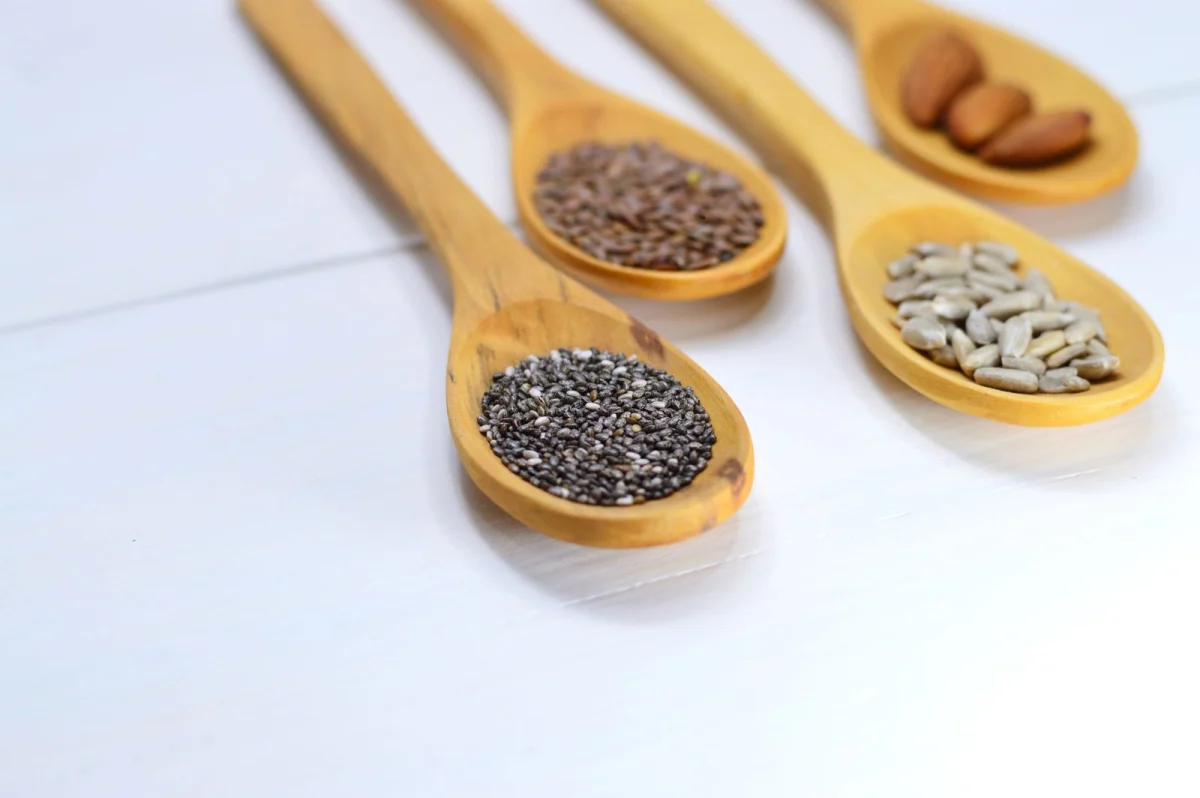
| Pumpkin seeds | 1 oz | ~155 mg |
| Almonds | 1 oz | ~80 mg |
| Spinach, cooked | ½ cup | ~78 mg |
| Cashews | 1 oz | ~74 mg |
| Dark chocolate (70–85%) | 1 oz | ~65 mg |
| Avocado | 1 cup cubed | ~45 mg |
Supplement forms compared:
| Form | Absorption | Notes |
|---|---|---|
| Magnesium glycinate | Good | Gentle on the stomach; popular for evening use |
| Magnesium citrate | Good | Can have a laxative effect — sometimes helpful for keto constipation |
| Magnesium chloride | Good | Also sold as flakes or sprays |
| Magnesium oxide | Lower | Inexpensive; more likely to cause loose stools |
People with kidney disease should not take magnesium supplements without medical advice.
A simple homemade electrolyte drink
Many commercial electrolyte drinks are loaded with sugar. A basic homemade version:
- 16 oz (500 ml) water
- ¼ teaspoon salt (about 575 mg sodium)
- Squeeze of lemon or lime
- Optional: a pinch of a potassium-containing “lite” salt, if your doctor says it’s okay
Sip it during the day rather than all at once. If you prefer a powder, choose one without added sugar and check the amounts of each mineral per serving.
How to choose an electrolyte supplement
- Check sugar. Many “hydration” products have 10–20 g per serving.
- Read the amounts, not just the list. Some mixes contain only trace electrolytes.
- Add it to your total. Combine the supplement with what you get from food and other products.
- Look for third-party testing, especially if you compete in tested sports.
- Watch for extras like caffeine or high doses of vitamins.
Our supplement label checklist walks through this step by step.
Frequently asked questions
How long does the keto flu last?
For many people, symptoms ease within a few days to two weeks. If they’re severe or don’t improve, talk to your doctor.
Can I just drink sports drinks?
Most standard sports drinks are high in sugar. Zero-sugar versions exist, but check how much sodium, potassium and magnesium they actually contain.
Is pink Himalayan salt better than table salt?
Nutritionally, the differences are tiny. Both are mostly sodium chloride. Iodized table salt also provides iodine, which some people otherwise miss.
Can I get too many electrolytes?
Yes. Excess sodium can raise blood pressure in some people, too much magnesium from supplements causes diarrhea, and high potassium can be dangerous for people with kidney problems or on certain medications.
The bottom line
Low-carb diets make your body shed sodium and water, which can pull potassium down with it — and many people were already short on magnesium. Salting your food, drinking broth and eating leafy greens, avocado, nuts and seeds cover a lot of the gap. Supplements can help fill what’s left, but more isn’t better, and people with heart, blood pressure or kidney conditions should get personalized advice first.