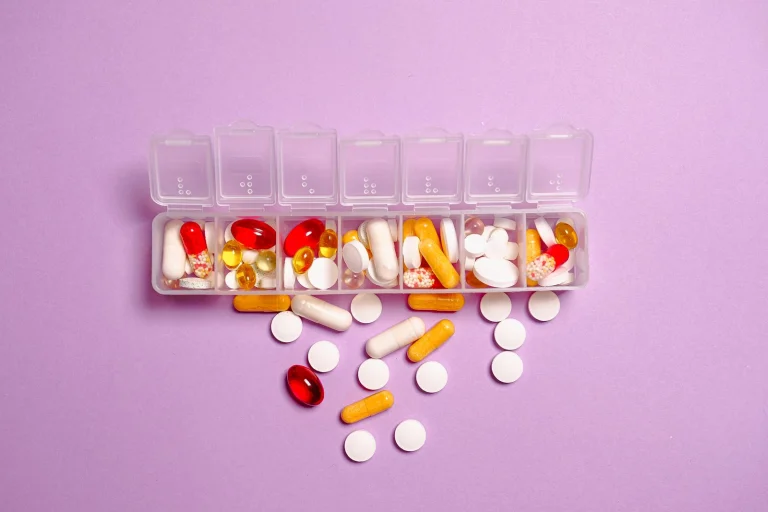
The front of a supplement bottle is advertising. The back is where the information lives. Learning to read the Supplement Facts panel takes about five minutes, and it changes how you shop for good.
This is the checklist we use for every product we look at. It works for vitamins, minerals, electrolytes, protein powders and pretty much anything else in the supplement aisle.
On this page
- Step 1: Know what you’re looking at
- Step 2: Check the serving size first
- Step 3: Read the amount and %DV
- Step 4: Check the form
- Step 5: Compare with upper limits
- Step 6: Watch for proprietary blends
- Step 7: Read the “other ingredients”
- Step 8: Look for a third-party seal
- Step 9: Decode the claims
- Step 10: Check dates, storage and lot number
- The checklist (save this)
- Frequently asked questions
- The bottom line
Step 1: Know what you’re looking at
In the US, dietary supplements carry a Supplement Facts panel rather than the Nutrition Facts panel used on foods. It lists the serving size, the amount of each active ingredient per serving and, where one exists, the percent Daily Value (%DV).
Remember one important background fact: supplements don’t need FDA approval for safety or effectiveness before they’re sold. Manufacturers are responsible for making sure their products are safe and accurately labeled. That’s exactly why reading the label — and looking for independent testing — matters.
Step 2: Check the serving size first
Everything on the panel is “per serving,” and a serving might be two, three or even six capsules.
Example
A label says “Magnesium 400 mg.” Serving size: 4 capsules. Each capsule contains 100 mg. If you take one capsule thinking you’re getting 400 mg, you’re getting a quarter of that — and the bottle that looked like a 120-day supply lasts 30 days.
Always do the math for how many units you’ll actually take.

Step 3: Read the amount and %DV
For vitamins and minerals, %DV tells you how a serving compares with the reference amount for a day. A few rules of thumb:
- Around 100% DV covers a typical daily need for most nutrients.
- Far above 100% DV isn’t automatically better. For some nutrients, high doses can cause harm (see Step 5).
- No %DV listed (“†” or “Daily Value not established”) is normal for things like fish oil, creatine or herbs.
Step 4: Check the form
The chemical form of an ingredient affects how well it’s absorbed and how it feels.
| Nutrient | Forms you’ll see | What to know |
|---|---|---|
| Magnesium | Glycinate, citrate, chloride, oxide | Oxide is cheap but less well absorbed and more likely to loosen stools |
| Vitamin D | D3 (cholecalciferol), D2 (ergocalciferol) | D3 generally raises blood levels more effectively |
| Folate | Folic acid, methylfolate | Both are used; folic acid is the form in most fortified foods and studies |
| Iron | Ferrous sulfate, bisglycinate | Bisglycinate is often gentler on the stomach |
| Ketones | D-BHB, DL-BHB | D-BHB is the form your body makes |
The label should state the form — for example, “Magnesium (as magnesium glycinate) 200 mg.” If it only says “magnesium,” that’s a reason to be cautious.
Step 5: Compare with upper limits
The National Academies set Tolerable Upper Intake Levels (ULs) — the highest daily amount unlikely to cause harm for most adults. Add up everything you take, including multivitamins and fortified foods.
| Nutrient | Adult UL (per day) | Notes |
|---|---|---|
| Vitamin D | 100 mcg (4,000 IU) | Doctors sometimes prescribe more for deficiency — under supervision |
| Vitamin A (preformed) | 3,000 mcg RAE (10,000 IU) | Beta-carotene doesn’t count toward this |
| Vitamin B6 | 100 mg | Long-term high doses linked to nerve damage; some countries now set much lower limits |
| Iron | 45 mg | Keep iron supplements away from children |
| Zinc | 40 mg | High doses can cause copper deficiency |
| Magnesium (supplements only) | 350 mg | Food magnesium doesn’t count |
| Selenium | 400 mcg | Watch “immune” and multi blends |
Source: National Institutes of Health Office of Dietary Supplements fact sheets.
Step 6: Watch for proprietary blends
A “proprietary blend” lists several ingredients with a single total weight — for example, “Energy Blend 1,200 mg: green tea extract, caffeine, L-theanine, ginseng.” Ingredients are listed in order of weight, but you don’t know how much of each is included.
Why it matters: an ingredient may be present at a dose far below what was used in research, or a stimulant could be present at a higher dose than you’d expect. When possible, choose products that list exact amounts of every ingredient.
Step 7: Read the “other ingredients”
Under the panel you’ll find fillers, binders, capsule materials, flavors, sweeteners and colors. Check for:
- Allergens — soy, dairy, gluten, shellfish (common in glucosamine), fish
- Sugar or sugar alcohols — especially in gummies and powders
- Gelatin — if you avoid animal products
- Artificial colors or sweeteners — if you prefer to avoid them
- Unexpected stimulants — such as caffeine in “fat burner” or “energy” formulas
Step 8: Look for a third-party seal
Independent testing organizations check that products contain what the label says and aren’t contaminated. Common seals include:
| Seal | What it checks |
|---|---|
| USP Verified | Identity, strength, purity and good manufacturing practices |
| NSF Certified | Label accuracy and contaminants; “NSF Certified for Sport” also screens for banned substances |
| Informed Sport / Informed Choice | Screening for substances banned in sport |
A seal doesn’t prove a supplement works. It tells you the bottle contains what it claims. That’s a big deal in a category with no pre-market approval.
Step 9: Decode the claims
US supplements can make structure/function claims — “supports healthy bones,” “promotes relaxation” — but not claims to treat or cure disease. Those claims must carry a disclaimer, usually marked with an asterisk, stating the FDA hasn’t evaluated them.
Red flags we watch for:
- “Clinically proven” with no reference to a study you can find
- “Detox,” “cleanse” or “boost metabolism” promises
- Before-and-after photos and dramatic weight-loss claims
- “Doctor-formulated” used as a substitute for evidence
- “No side effects” or “100% safe”
- Pressure tactics: limited-time offers, auto-ship subscriptions you didn’t ask for
Step 10: Check dates, storage and lot number
Look for an expiration or “best by” date and a lot number, which helps with recalls. Follow storage directions — fish oil, probiotics and some vitamins degrade with heat and light.
The checklist (save this)
- What’s the serving size, and how many units will I really take?
- How much of each ingredient per serving — and in what form?
- Does the total from all my products stay under the upper limits?
- Any proprietary blends hiding amounts?
- What’s in “other ingredients”? Allergens, sugar, stimulants?
- Is there a USP, NSF or similar third-party seal?
- Are the claims reasonable, or do they promise too much?
- Is it in date and stored properly?
- Have I checked interactions with my medicines with a pharmacist or doctor?
Frequently asked questions
Are more expensive supplements better quality?
Not necessarily. Price doesn’t guarantee accuracy or purity. A third-party seal is a more reliable signal than cost.
What does ‘clinically studied ingredient’ mean?
Usually that an ingredient has been studied somewhere, sometimes in a different form or dose. Look for the dose on the label and whether it matches the research.
Are ‘natural’ supplements safer?
Not automatically. Many natural products have side effects or interact with medicines. ‘Natural’ isn’t a regulated safety standard.
How can I check if a supplement has been recalled?
Search the FDA’s recalls and safety alerts page, and keep the lot number from the bottle handy.
The bottom line
A good supplement label tells you exactly what’s inside, how much and in what form — and an independent seal backs it up. If a label hides amounts, overpromises or makes you do detective work, that tells you something too. Use this checklist, add everything up, and when in doubt, bring the bottle to your pharmacist.
Next, find out when to take your supplements to get the most from them.