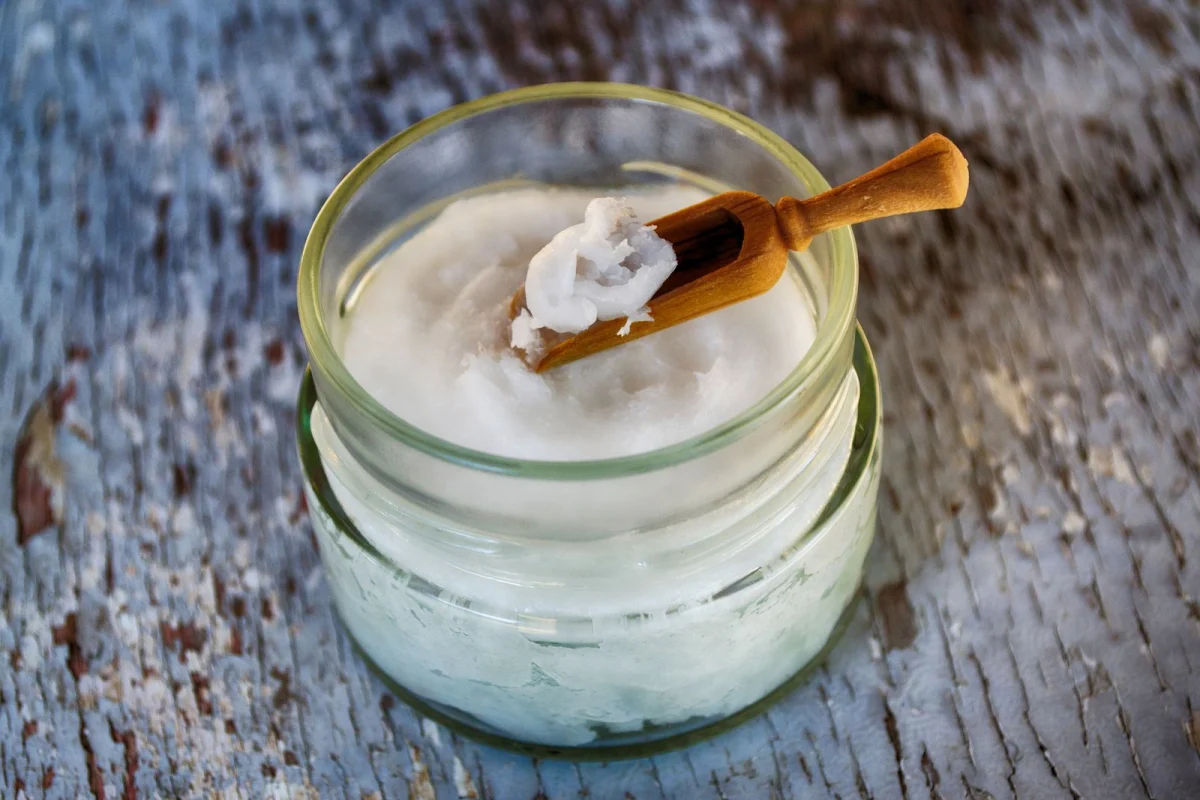
MCTs show up everywhere in low-carb circles: stirred into coffee, blended into smoothies, sold as clear oils, creamy powders and “brain fuel” capsules. Most people buy them because a friend swears by them — and then spend a morning regretting the dose.
This guide explains what MCTs actually are, how oil and powder differ, what the research does and doesn’t support, and how to use them without upsetting your stomach.
On this page
What are MCTs?
MCT stands for medium-chain triglycerides — fats made from fatty acids with 6 to 12 carbon atoms. Most fats in the diet, like those in olive oil, butter and meat, are long-chain triglycerides (LCTs).
The four medium-chain fatty acids are:
| Name | Carbon length | Notes |
|---|---|---|
| Caproic acid | C6 | Strong taste, irritating to the throat; usually minimal in MCT products |
| Caprylic acid | C8 | Converted to ketones most quickly; often sold alone as “C8 oil” |
| Capric acid | C10 | Slightly slower than C8; common in C8/C10 blends |
| Lauric acid | C12 | Behaves more like a long-chain fat in the body |
Why MCTs are different from other fats
Because of their shorter length, MCTs are digested and absorbed differently. Instead of being packaged into particles that travel through the lymphatic system, most MCTs go straight to the liver through the portal vein. There they’re used for energy quickly or converted into ketones.
That’s why MCTs are popular on keto diets — they can raise ketone levels modestly, even when a diet isn’t perfectly low-carb.
Is coconut oil the same as MCT oil?
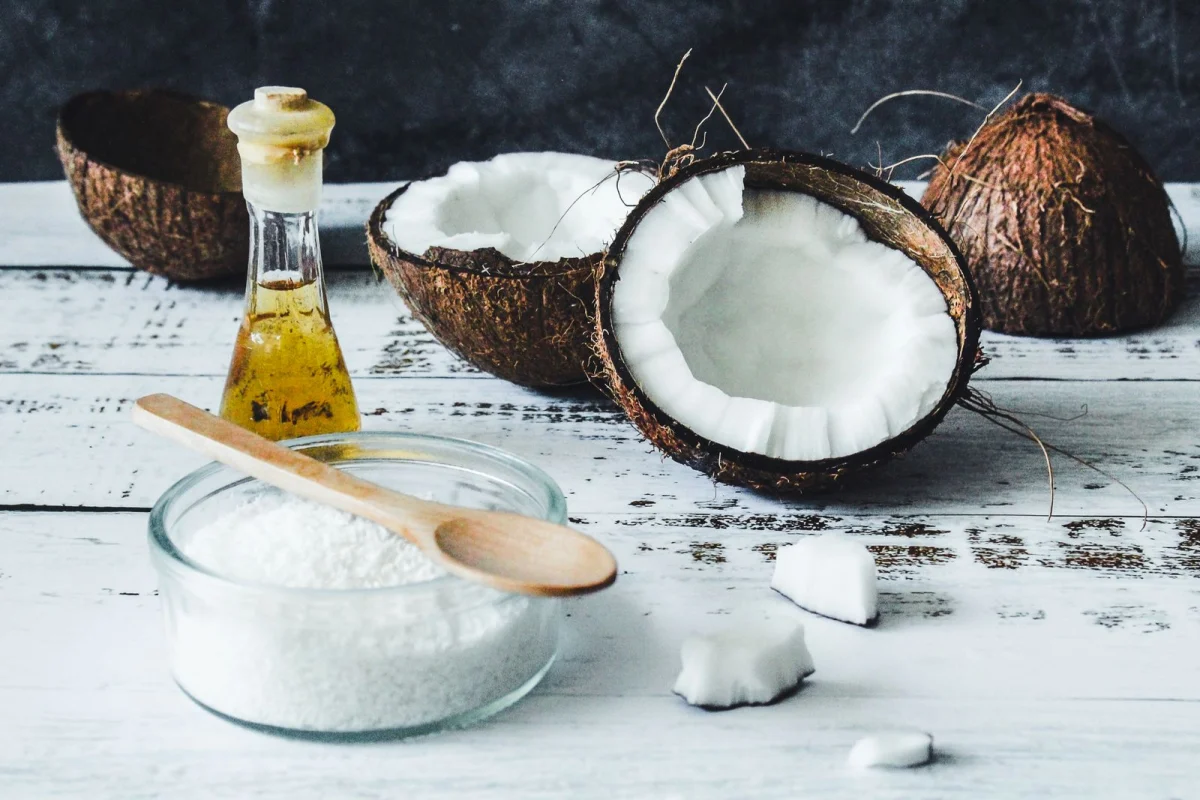
Not really. Coconut oil is a rich natural source of medium-chain fats, but most of them are lauric acid (C12), which acts more like a long-chain fat. Only around 10–15% of coconut oil is C8 and C10. MCT oil is concentrated from coconut or palm kernel oil to contain mostly C8 and C10.
MCT oil
What it is: a clear, flavorless liquid, usually a blend of C8 and C10 or pure C8.
- Fat: about 14 g per tablespoon (roughly 115–130 calories)
- Best for: salad dressings, smoothies, drizzling over food, coffee if you blend it
- Not for frying: it has a relatively low smoke point, around 320°F (160°C)
- Downsides: separates in coffee unless blended; most likely to cause stomach upset
MCT powder
What it is: MCT oil that’s been spray-dried onto a carrier to turn it into a powder.
- Fat: usually around 5–10 g per scoop, depending on the brand and scoop size
- Carriers: acacia fiber, tapioca or corn starch derivatives such as maltodextrin, or milk proteins such as sodium caseinate
- Best for: creamy coffee without blending, travel, mixing into shakes
- Downsides: costs more per gram of MCT; the carrier can add carbs, sweeteners or dairy
Side-by-side comparison
| MCT oil | MCT powder | |
|---|---|---|
| MCT per serving | High (~14 g per tbsp) | Lower (~5–10 g per scoop) |
| Texture in coffee | Oily unless blended | Creamy, dissolves easily |
| Stomach tolerance | More likely to cause upset | Usually gentler |
| Added ingredients | None | Carrier, sometimes sweeteners or flavors |
| Carbs | 0 g | 0–3 g or more, depending on carrier |
| Portability | Leak risk | Easy to pack |
| Cost per gram of MCT | Lower | Higher |
What does the research say?
Ketones: MCTs reliably raise blood ketones modestly, with C8 having the strongest effect. Levels stay well below what ketone esters produce. (See our guide to exogenous ketones for the difference.)
Fullness and weight: some studies found people felt fuller or ate slightly less after meals containing MCTs. A 2015 meta-analysis of randomized trials found that replacing long-chain fats with MCTs led to small reductions in body weight and body fat. The effect was modest, and MCTs are still a concentrated source of calories.
Exercise: research on endurance performance is mixed, with no consistent benefit for most people.
Brain health: MCTs are being studied in conditions such as epilepsy and cognitive decline, often in specialized medical settings. That research doesn’t mean MCT coffee sharpens a healthy brain.
Cholesterol: effects on blood lipids appear to vary between people. If you have high cholesterol or heart disease, talk to your doctor before adding large amounts of any saturated fat.
How to avoid the “MCT emergency”
The most common side effect of MCTs is digestive: cramping, nausea, urgency and diarrhea. It’s dose-related and very avoidable.
- Start with 1 teaspoon a day, with food.
- Increase slowly over one to two weeks, by a teaspoon at a time.
- Don’t take it on an empty stomach at first.
- Try powder if oil bothers you.
- Stay within the label serving size. More isn’t better.
How to choose a product
- Look for C8 and C10 content on the label. Products that list mostly C12 are closer to coconut oil.
- For powders, check the carrier and carbs per serving, and look for dairy if you avoid it.
- Check sweeteners and flavors.
- Look for third-party testing and a clear source (coconut vs palm kernel).
Not sure how to read the panel? Use our supplement label checklist.
Frequently asked questions
How much MCT oil should I take?
Start with about a teaspoon and increase gradually. Many people settle around one to two tablespoons a day, but follow the product label and your own tolerance.
Can I cook with MCT oil?
It’s best for low or no heat — dressings, drizzling and drinks. Its smoke point is lower than many cooking oils.
Is C8 better than a C8/C10 blend?
C8 raises ketones more quickly, but it’s usually more expensive. A C8/C10 blend works well for most people.
Does MCT oil break a fast?
It contains calories, so technically yes. Whether that matters depends on your reason for fasting.
The bottom line
MCT oil and MCT powder contain the same type of fat — the difference is format. Oil gives you more MCT for your money and works best in dressings and blended drinks. Powder costs more, but mixes easily, travels well and tends to be easier on the stomach. Either way, start small, increase slowly, and remember that MCTs are a tool, not a fat-loss shortcut.